






Every parent and teacher knows the challenge of keeping children engaged while learning. A well-designed worksheet for kids transforms ordinary study time into an exciting adventure that sparks curiosity and develops critical thinking skills. These educational tools have become essential resources in classrooms and homes worldwide, offering structured yet entertaining ways to help children explore new concepts, express themselves, and build confidence in their abilities.
Whether you’re a parent looking for after-school activities or an educator planning lesson materials, understanding how to create and use effective question worksheets can make a significant difference in a child’s learning journey. Let’s explore everything you need to know about crafting engaging, educational worksheets that children actually enjoy completing.
Why Use Question Worksheets for Children?
Question worksheets serve multiple purposes in child development. They encourage independent thinking, improve reading comprehension, and help kids articulate their thoughts clearly. Unlike passive learning methods, these interactive tools require active participation, which research shows leads to better retention and understanding.
Educational worksheets also provide valuable assessment opportunities. Teachers and parents can identify areas where children excel and topics that need additional support. This personalized approach ensures every child receives the attention they need to succeed academically and socially.
Types of Questions for Kids Worksheet Designs
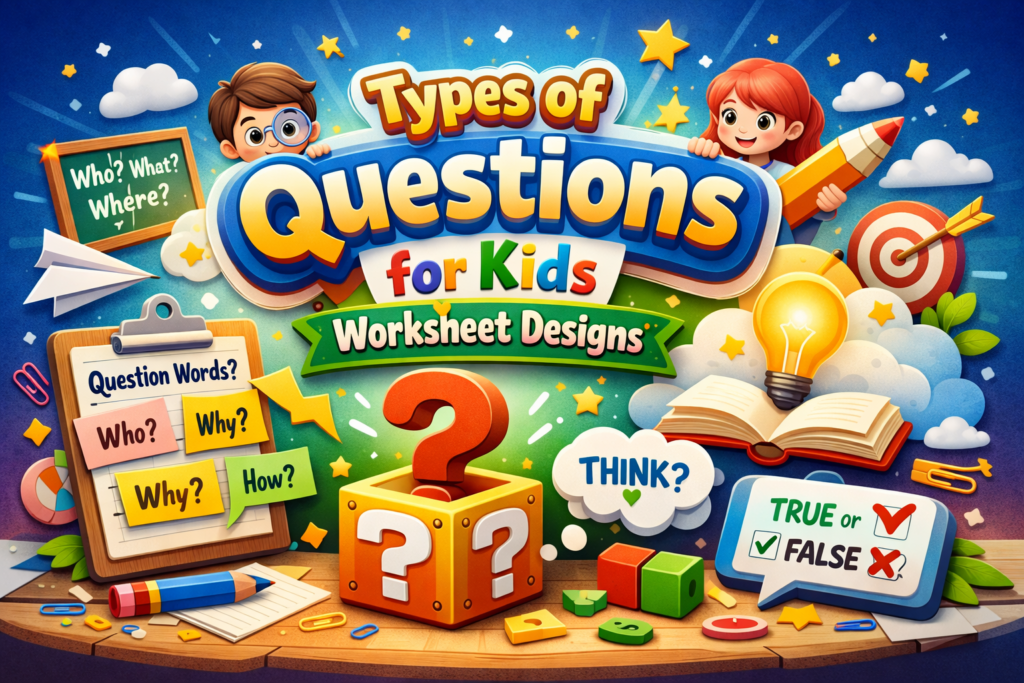
Trivia and General Knowledge Questions
Trivia-based questions for kids worksheet materials challenge children to recall facts about science, history, geography, and culture. These worksheets work wonderfully for group activities or family game nights, turning learning into a competitive yet friendly experience.
Sample question categories include:
- Animal facts and habitats
- World capitals and landmarks
- Historical events and figures
- Scientific discoveries and inventions
- Sports and entertainment trivia
Creative Thinking and Imagination Prompts
Imagination-focused worksheets encourage children to think beyond conventional answers. Questions like “If you could invent anything, what would it be?” or “Describe your perfect day” allow kids to express creativity while practicing writing skills.
These open-ended questions help develop:
- Creative problem-solving abilities
- Emotional intelligence
- Self-expression and confidence
- Storytelling skills
- Vocabulary expansion
Critical Thinking and Problem-Solving Questions
Critical thinking worksheets present scenarios that require analysis and reasoning. These might include logic puzzles, “what would you do” situations, or cause-and-effect questions that push children to consider multiple perspectives before answering.
Creating Effective Printable Question Worksheets
Age-Appropriate Content Selection
The most successful questions for kids worksheet materials match the child’s developmental stage. Preschoolers need simple, picture-based questions, while elementary students can handle more complex scenarios. Middle schoolers benefit from thought-provoking discussions that connect to real-world issues.
Consider these age guidelines:
- Ages 3-5: Simple yes/no questions with visual aids
- Ages 6-8: Short-answer questions about daily experiences
- Ages 9-11: Multi-step problems requiring explanation
- Ages 12+: Abstract concepts and ethical dilemmas
Visual Design and Layout
Children respond positively to visually appealing materials. Include colorful borders, engaging fonts, and relevant illustrations that complement the questions. White space is equally important; overcrowded worksheets overwhelm young learners and reduce completion rates.
Educational Benefits of Question-Based Learning
Question worksheets align perfectly with modern educational standards,s emphasizing active learning. They support various learning styles. Visual learners appreciate illustrated questions, while kinesthetic learners benefit from hands-on worksheet activities that involve cutting, pasting, or drawing responses.
These tools also build essential life skills beyond academics. Children learn to organize thoughts, manage time while completing assignments, and develop the persistence needed to work through challenging questions independently.
Best Practices for Implementing Kids’ Question Worksheets
Creating a Positive Learning Environment
Success with questions for kids worksheet activities depends largely on presentation. Frame worksheets as fun challenges rather than tests. Celebrate effort and creative answers, not just correct responses. This approach builds confidence and encourages children to engage with learning materials enthusiastically.
Balancing Structure and Flexibility
While worksheets provide structure, allow room for personalization. Let children decorate their worksheets, choose which questions to answer first, or add bonus questions they create themselves. This ownership increases motivation and makes learning feel less like a chore.
Incorporating Technology and Digital Options
Modern families and classrooms often prefer digital formats. Interactive PDF worksheets or online quiz platforms offer immediate feedback and save paper. However, traditional printed worksheets still hold value for developing fine motor skills through handwriting and drawing.
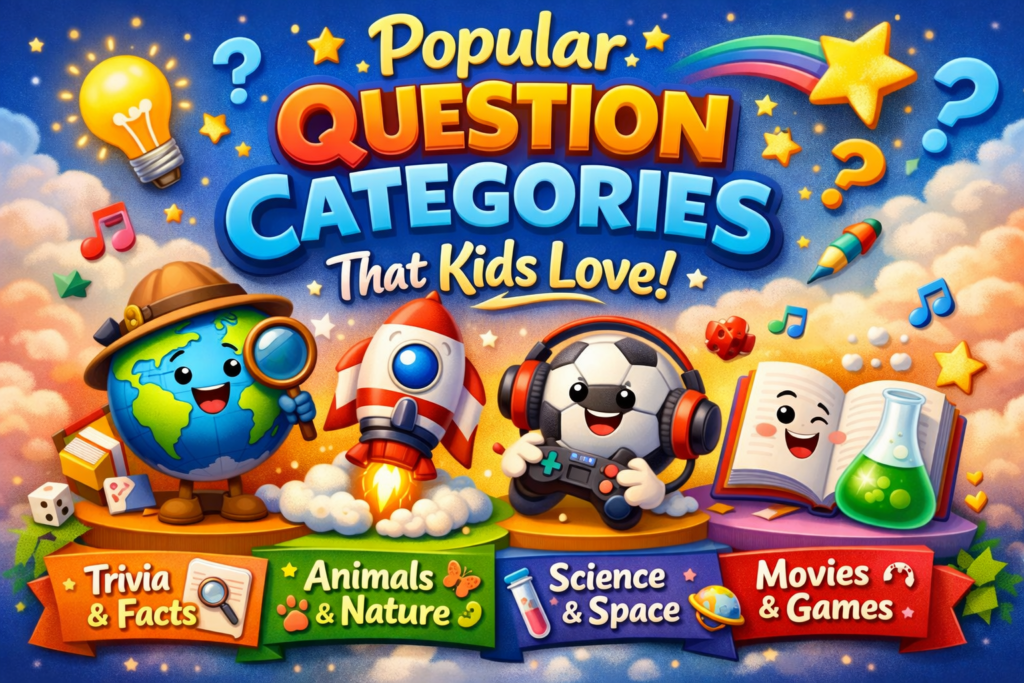
Popular Question Categories That Kids Love
Fun would-you-rather questions present silly dilemmas that kids find hilarious. “Would you rather have elephant ears or a giraffe neck?” sparks imagination and conversation.
All about me worksheets help children explore identity and preferences. Questions about favorite foods, hobbies, and dreams provide insight into personality while building self-awareness.
Ethics and values questions introduce important life lessons. Age-appropriate scenarios about friendship, honesty, and kindness teach character development alongside critical thinking.
Free Resources and Template Ideas
Numerous websites offer free downloadable worksheet templates for kids worksheet templates. Look for customizable options that let you add personal touches or adjust difficulty levels. Many educators share their successful worksheet designs through teaching resource platforms and educational blogs.
When creating your own templates, consider seasonal themes, current events appropriate for children, or topics related to ongoing classroom units. This relevance increases engagement and helps children connect learning to their world.
Measuring Success and Progress
Track improvement by saving completed worksheets over time. Children enjoy seeing their progress, and parents gain valuable documentation of learning development. Notice improvements in handwriting, answer complexity, vocabulary usage, and creative expression as children grow.
Regular worksheet practice also identifies persistent challenges early, allowing for timely intervention and support before small gaps become larger learning obstacles.
For More: https://tordare.com/questions-for-kids-about-mom/
Conclusion
A well-crafted questions for kids worksheet represents more than just busywork; it’s a powerful educational tool that nurtures curiosity, builds essential skills, and makes learning enjoyable. By selecting age-appropriate content, designing visually appealing layouts, and presenting worksheets in engaging ways, parents and educators can help children develop critical thinking abilities that serve them throughout life.
Ready to create your own engaging learning materials? Start by downloading a questions for kids worksheet template today and watch as children discover the joy of questioning, exploring, and learning through these interactive activities. Transform homework time into an adventure that kids actually look forward to completing!